Credit Cards: Your Comprehensive Guide to Modern Finance

Table of Contents
Credit cards have become an indispensable part of modern financial life for millions worldwide. Far more than just a piece of plastic or a digital entry on your smartphone, a credit card represents a revolving line of credit, offering unparalleled convenience, financial flexibility, and the potential to build a strong financial foundation. As of 2023, credit cards are among the most widely used forms of payment globally, with their usage continuing to increase. Understanding how these powerful financial tools operate, their various types, benefits, and inherent risks is crucial for anyone navigating today’s economy. This comprehensive guide will delve into every facet of credit cards, empowering you to make informed decisions and leverage them effectively for your financial well-being.
What Are Credit Cards?
At its core, a credit card is an unsecured, revolving loan issued by a financial institution, such as a bank or credit union, that allows you to borrow money up to a pre-set limit to make purchases, pay for services, or even get cash advances. Unlike a debit card, which directly draws funds from your existing bank account, a credit card provides access to funds that you do not yet own, creating a debt that must be repaid. This “revolving” nature means that as you pay down your outstanding balance, the available credit becomes accessible again, allowing for continuous use within your credit limit.
Credit card issuers set a maximum amount you can borrow, known as your credit limit, based on factors like your credit history and income. When you use your credit card, the purchase amount is added to your total balance and reduces your available credit. Conversely, when you make a payment, your available credit increases. Each month, you receive a statement detailing your activity and the minimum payment due. If you pay the full balance by the due date, you typically avoid interest charges. However, if you only make the minimum payment or carry a balance, interest will be applied to the outstanding amount, which can be significantly higher than other loan types. Beyond interest, credit cards may also carry various fees, such as annual fees, late payment fees, and balance transfer fees, which vary by card and issuer.
The Mechanics of Credit Cards: How They Work

Understanding the operational mechanics of credit cards is vital for responsible use. When you swipe, tap, or enter your credit card details for a purchase, several steps occur almost instantaneously:
- Authorization: The merchant sends the transaction details to their acquiring bank, which then forwards the request to the credit card network (e.g., Visa, Mastercard, American Express, Discover).
- Verification: The network routes the request to your issuing bank. The issuing bank checks if you have sufficient available credit and if the transaction is legitimate, based on your spending patterns and fraud detection systems.
- Approval/Denial: The issuing bank approves or denies the transaction and sends this decision back through the network to the merchant.
- Settlement: If approved, the transaction is settled, meaning funds are transferred from your issuing bank to the merchant’s bank, usually within a few days.
- Billing Cycle and Payment: Your credit card company aggregates all your purchases within a specific billing cycle (typically 28-31 days) and sends you a statement. This statement includes your total balance, minimum payment due, and the payment due date. If you pay your entire statement balance by the due date, you generally won’t incur interest charges on new purchases due to a “grace period.” However, if a balance is carried over, interest begins to accrue, often from the transaction date.
Credit cards are part of major global networks like Visa, Mastercard, American Express, and Discover. Visa and Mastercard primarily serve as payment networks, partnering with banks to issue cards, while American Express and Discover act as both issuers and networks.
Diverse Types of Credit Cards
The credit card market is incredibly diverse, offering a range of products tailored to different financial needs and credit profiles. Understanding the various types can help you choose the one that best suits your lifestyle and financial goals.
- Standard/Unsecured Credit Cards: These are the most common type, issued based on your creditworthiness without requiring a security deposit. They offer a revolving line of credit and come with various features like rewards or low-interest rates.
- Secured Credit Cards: Designed for individuals with limited or poor credit history, secured cards require a cash deposit that often acts as your credit limit. They help build or rebuild credit by demonstrating responsible payment behavior to credit bureaus.
- Rewards Credit Cards: These cards incentivize spending by offering points, cashback, or travel miles on purchases. Cashback cards typically offer a percentage back on all or specific spending categories, while travel cards accumulate points redeemable for flights, hotels, or other travel-related expenses.
- Low-Interest/Balance Transfer Credit Cards: These cards are ideal for those who anticipate carrying a balance or want to consolidate existing high-interest debt. They often feature low introductory Annual Percentage Rates (APRs), sometimes 0% for a promotional period, allowing you to save on interest.
- Student Credit Cards: Tailored for college students, these cards often have lower credit limits and may offer rewards relevant to student spending. They serve as an entry point for young adults to start building their credit history.
- Business Credit Cards: Specifically for business owners, these cards help separate personal and business expenses, often offering higher credit limits and rewards programs geared towards business spending.
- Store/Co-branded Credit Cards: These cards are affiliated with specific retailers. Private-label store cards can only be used at that particular store, while co-branded cards can typically be used anywhere and often offer enhanced rewards for purchases with the partner brand.
- Charge Cards: Unlike traditional credit cards, charge cards typically require the balance to be paid in full each month. They usually have no pre-set spending limit and often cater to individuals with excellent credit seeking premium benefits.
The Benefits of Responsible Credit Card Usage
When used responsibly, credit cards offer a multitude of advantages that can significantly enhance your financial life.
| Benefit Category | Description |
|---|---|
| Credit Building | Regular, on-time payments and maintaining low balances help establish and improve your credit score, which is crucial for future loans, mortgages, and even some job applications. |
| Convenience & Global Acceptance | Credit cards provide an easy and widely accepted payment method for online and in-person transactions globally, eliminating the need to carry large amounts of cash. |
| Rewards & Perks | Many cards offer cashback, points, or miles that can be redeemed for travel, merchandise, or statement credits, effectively giving you a return on your spending. Premium cards may include travel insurance, airport lounge access, and concierge services. |
| Fraud Protection | Credit cards offer robust fraud protection, shielding you from unauthorized charges. Most issuers provide zero-liability policies, meaning you’re not responsible for fraudulent activity. |
| Emergency Fund/Cash Flow Management | They can serve as a crucial safety net for unexpected expenses, providing immediate access to funds without dipping into savings. They also offer a grace period, helping with monthly cash flow. |
| Purchase Protection & Extended Warranties | Many cards offer benefits like extended warranties on purchased items, price protection, and return protection, exceeding standard manufacturer warranties. |
| Detailed Records & Budgeting Tools | Credit card statements provide a detailed record of your spending, which can be useful for budgeting, tracking expenses, and tax purposes. |
Understanding the Risks and Drawbacks
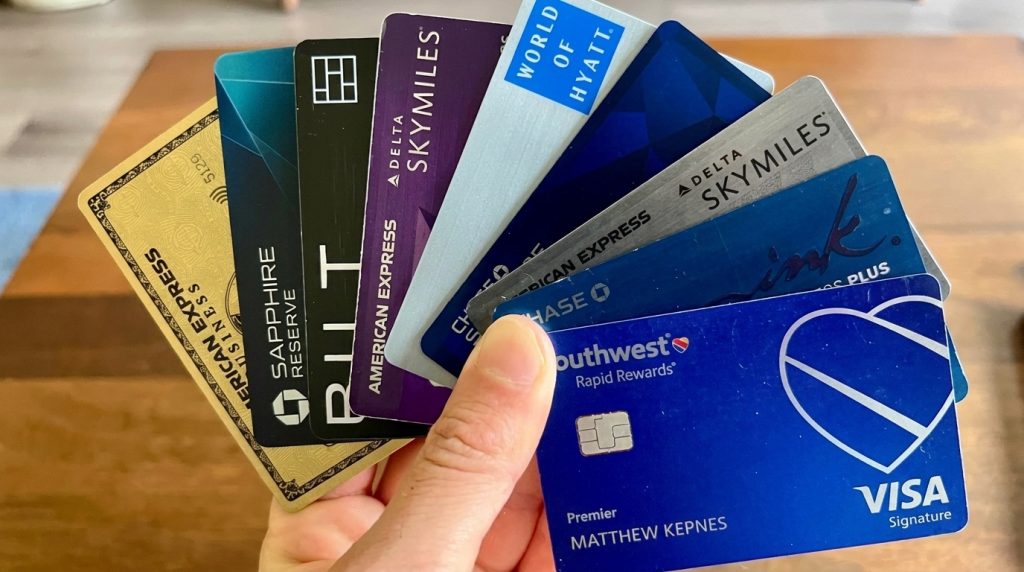
Despite their numerous benefits, credit cards come with significant risks and potential drawbacks, particularly if not managed carefully. Being aware of these pitfalls is key to avoiding financial distress.
- High-Interest Rates: If you don’t pay your balance in full each month, you’ll be charged interest on the outstanding amount. Credit card interest rates can be very high, often exceeding 20% APR, causing debt to accumulate rapidly. This can make everything you buy on credit cost significantly more.
- Accumulating Debt: The ease of using credit can lead to overspending and carrying a balance, which can quickly spiral into substantial debt. As of late 2023, the average credit card debt per borrower in the US reached an all-time high of $6,360, with total U.S. credit card debt collectively reaching $1.13 trillion.
- Fees and Penalties: Beyond interest, credit cards can carry various fees, including annual fees, late payment fees, over-limit fees, and foreign transaction fees. Missing a payment by 30 days or more can trigger late fees and potentially increase your interest rate.
- Damage to Credit Score: Irresponsible use, such as making late payments, defaulting, or maintaining high credit utilization ratios (using a large percentage of your available credit), can severely damage your credit score. Negative information can remain on your credit report for up to seven years, impacting your ability to secure future loans or favorable interest rates.
- Temptation to Overspend: The psychological effect of using “borrowed” money rather than cash can make it easier to lose track of spending and succumb to impulsive purchases, leading to financial strain.
- Minimum Payment Trap: Paying only the minimum amount due each month is an ineffective strategy. While it keeps your account in good standing, a significant portion often goes towards interest, extending the repayment period and dramatically increasing the total cost of your purchases.
- Identity Theft and Fraud Risk: While credit cards offer strong fraud protection, they are still a target for identity theft and fraudulent activity. Constant vigilance is required to monitor statements for suspicious transactions.
Effective Credit Card Management Strategies
Mastering credit card management is crucial for harnessing their benefits while mitigating risks. Here are key strategies for effective use:
- Pay Your Balance in Full and On Time: This is the golden rule of credit card management. Paying your entire statement balance before the due date avoids interest charges and builds a positive payment history, a significant factor in your credit score.
- Create and Stick to a Budget: A detailed budget helps you track income and expenses, preventing overspending and ensuring you can comfortably afford your credit card payments. Allocate specific amounts for categories and prioritize necessities.
- Maintain a Low Credit Utilization Ratio: This ratio compares your total credit card balances to your total available credit. Keeping it below 30% is generally recommended for a healthy credit score. For example, if your total credit limit is $10,000, aim to keep your balances below $3,000. You can lower this ratio by paying down balances or requesting credit limit increases (without increasing spending).
- Understand Your Card’s Terms and Conditions: Familiarize yourself with your card’s APRs, fees (annual, late payment, balance transfer), grace period, and rewards structure. This knowledge helps you avoid surprises and leverage benefits.
- Review Statements Regularly: Scrutinize your monthly statements for errors, unauthorized transactions, or forgotten subscriptions. This helps detect fraud early and ensures accurate billing.
- Use Rewards Wisely: If you have a rewards card, understand how to earn and redeem points or cashback effectively. Don’t overspend simply to earn rewards, as the interest incurred will likely outweigh the value of the rewards.
- Avoid Opening Too Many Cards Simultaneously: While having multiple cards can be beneficial for optimizing rewards or having a backup, opening too many accounts in a short period can negatively impact your credit score and make management challenging.
- Set Up Alerts and Reminders: Many issuers offer alerts for payment due dates, large purchases, or when your balance approaches your limit. Use these tools to stay on track.
By adopting these practices, you can transform credit cards from potential debt traps into powerful tools for financial growth and convenience. More insights into credit card management can be found on resources like Wikipedia’s page on credit card debt, which provides a broader context on its challenges and implications.
Choosing the Right Credit Card for Your Needs
With the vast array of credit card options available, selecting the right one requires careful consideration of your financial situation, spending habits, and goals.
- Assess Your Credit Standing: Your credit score is the primary determinant of which cards you qualify for. Check your credit score before applying. If you have excellent credit, you’ll have access to premium rewards cards. If your credit is fair or poor, a secured card or a card designed for rebuilding credit might be more appropriate.
- Identify Your Primary Purpose:
- Building Credit: Look for secured cards or student cards with low fees and reporting to all three major credit bureaus.
- Earning Rewards: Determine if you prefer cashback, travel miles, or points. Consider your largest spending categories (groceries, gas, travel, dining) and choose a card that offers bonus rewards in those areas.
- Saving on Interest: If you anticipate carrying a balance, prioritize cards with low regular APRs or introductory 0% APR offers for purchases or balance transfers.
- Consolidating Debt: A balance transfer card with a long 0% introductory APR period and a low balance transfer fee is ideal.
- Evaluate Fees and Interest Rates: Always compare annual fees, late payment fees, foreign transaction fees, and cash advance fees. A card with a high annual fee might be worth it if the rewards or benefits outweigh the cost, but for many, a no-annual-fee card is preferable. Pay close attention to the APR, especially after any introductory periods.
- Consider Cardholder Benefits and Protections: Look beyond rewards. Do you need travel insurance, car rental insurance, purchase protection, or extended warranties? These benefits can provide significant value.
- Read the Fine Print: Understand the terms and conditions thoroughly, including any penalty APRs, how rewards are earned and redeemed, and any spending caps or expiration dates.
The right credit card is one that aligns with your financial behavior and helps you achieve your objectives without falling into common debt traps. It’s a highly personal choice, and what works for one person might not work for another.
The Evolving Landscape: Future of Credit Cards
The credit card industry is dynamic, continually evolving with technological advancements and shifting consumer preferences. The future of credit cards promises even greater integration with digital ecosystems and personalized experiences.
- Digital and Contactless Payments: The shift towards digital wallets (like Apple Pay, Google Pay) and contactless payments is accelerating. Physical cards may eventually become optional, with mobile payments dominating transactions.
- Enhanced Personalization and Rewards: Expect credit cards to offer more personalized rewards programs tailored to individual spending habits and preferences, along with real-time, location-based benefits.
- AI-Powered Security and Fraud Detection: Artificial intelligence will play an increasingly critical role in real-time fraud detection and risk control, enhancing security and protecting online approval rates.
- Buy Now, Pay Later (BNPL) Integration: The lines between traditional credit cards and BNPL services are blurring. Expect credit cards to incorporate BNPL features, offering more flexible installment payment options for larger purchases.
- Integration with Emerging Technologies: Future credit cards may feature biometric authentication for enhanced security, deeper integration with smart devices, and potentially the ability to seamlessly manage various currencies, including cryptocurrencies, through crypto-linked cards.
- Alternative Credit Scoring: The industry might see an expansion of alternative credit scoring methods, using non-traditional data to broaden access to credit for a wider population.
The credit card market is projected to continue its growth. The transaction value is expected to reach USD 18.48 trillion by 2031, growing at a compound annual growth rate (CAGR) of 3.77% over 2026-2031. This growth is supported by the ubiquity of contactless payments, tokenization, and advanced authentication methods. While physical cards held a substantial market share (90.12%) in 2025, digital and virtual-only formats are expected to advance rapidly. The continued innovation aims to make credit cards even more convenient, secure, and integrated into our daily financial lives.
Conclusion
Credit cards are sophisticated financial instruments that offer a blend of convenience, security, and financial leverage. From facilitating everyday purchases and providing a safety net for emergencies to building a strong credit history and earning valuable rewards, their utility is undeniable. However, their power comes with a responsibility to manage them diligently. Understanding the intricacies of how they work, recognizing the diverse types available, and being acutely aware of the associated risks are paramount. By adopting smart management strategies—such as paying balances in full, maintaining low credit utilization, and budgeting effectively—consumers can harness the full potential of credit cards to support their financial goals. As the industry continues to innovate with digital integration and advanced security, credit cards will undoubtedly remain a cornerstone of global finance, making informed and responsible usage more critical than ever.