Credit Card: A Comprehensive Guide to Modern Finance
Table of Contents
Credit card is an indispensable tool in modern finance, offering unparalleled convenience, flexibility, and opportunities for building a strong financial profile. Unlike debit cards, which draw funds directly from a bank account, a credit card allows you to borrow money from a card issuer to make purchases, pay for services, or even get cash advances, with the understanding that this borrowed money must be repaid later. As of 2023, credit cards are one of the most widely used forms of payment globally, with 1.09 billion credit cards in circulation in the United States in 2020, and 72.5% of adults in the country possessing at least one credit card. The number of credit card accounts in the U.S. has continued to grow, reaching 631.39 million in Q1 2025, marking the highest recorded number, with over 827 million credit cards circulating across the nation. This article delves into the intricacies of credit cards, exploring their mechanisms, various types, the benefits they offer, the potential risks involved, and how to choose the right one for your financial needs.
What is a Credit Card?
A credit card is a payment card, typically issued by a bank or financial institution, that grants users access to a revolving line of credit. This means you can borrow money up to a predetermined credit limit, repay it, and then borrow again, as long as your account remains in good standing. Essentially, when you use a credit card, you are borrowing money from the issuer, accruing a balance that you are obligated to repay. This distinguishes it from a debit card, where funds are directly debited from your checking account. The credit extended through a credit card is usually an unsecured loan, meaning it is not backed by collateral.
The core concept behind a credit card is a promise to the bank or credit card company that you will repay the borrowed funds. The card issuer keeps track of your outstanding balance, and you are required to make at least a minimum payment each month. If the full balance is not paid by the due date, interest charges, calculated based on an Annual Percentage Rate (APR), will be applied to the remaining balance. These interest rates can vary depending on the card and the type of transaction.
How Do Credit Cards Work?
Understanding the operational mechanics of a credit card is crucial for responsible usage. When you make a purchase with a credit card, the card issuer pays the merchant on your behalf, and that amount is added to your credit card balance. This balance accrues during a “billing cycle,” typically a 28-31 day period. At the end of each billing period, you receive a statement detailing your transactions, the total balance owed, the minimum payment due, and the payment due date.
The flexibility of a credit card lies in its revolving nature. You can choose to pay the entire balance in full, or you can pay only the minimum required payment. If you pay the full balance by the due date, most issuers will waive interest charges, effectively allowing you to use the bank’s money interest-free for a period, known as the “grace period”. However, if you carry a balance over to the next month, interest will be charged on the outstanding amount, usually from the date of each purchase. The average credit card interest rate on accounts with balances assessed interest was 21.52% in February 2026.
Key terms to understand include:
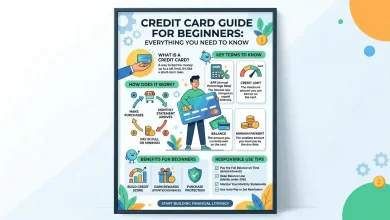
- Credit Limit: The maximum amount of money you are allowed to borrow on your credit card.
- Annual Percentage Rate (APR): The yearly interest rate charged on any unpaid balance. APRs can be quite high, often ranging between 15% and 20% or even higher. In 2024, the average APR reached 25.2% for general purpose cards.
- Minimum Payment: The smallest amount you must pay by the due date to keep your account in good standing and avoid late fees.
- Grace Period: The period between the end of your billing cycle and your payment due date, during which you can pay your balance in full to avoid interest charges.
- Credit Utilization: The amount of credit you are using compared to your total available credit. Keeping this ratio low (typically below 30%) can positively impact your credit score.
Credit card issuers report your payment activity to credit bureaus, which is why responsible use, including making on-time payments, is crucial for building and maintaining a good credit score.
Types of Credit Cards
The credit card market offers a diverse range of products, each designed to cater to different financial needs and consumer profiles. The four main categories typically include reward cards, low-interest cards, secured cards, and business credit cards, though many cards can fall into multiple categories.
Rewards Credit Cards
Rewards credit cards are popular for offering incentives for everyday spending. These incentives can come in various forms:
- Cash Back: You earn a percentage of your eligible purchases back as cash, which can be redeemed as a statement credit, direct deposit, or gift card. Some cards offer a flat rate on all purchases, while others provide higher percentages in specific categories like groceries, gas, or dining.
- Travel Rewards: These cards allow you to earn points or miles for every dollar spent, which can be redeemed for flights, hotel stays, or other travel-related expenses. Many travel cards also come with additional perks such as airport lounge access, free checked bags, or trip insurance.
- Points Programs: Similar to travel rewards, these cards accumulate points that can be redeemed for a variety of items, including merchandise, gift cards, or experiences, often through an issuer’s rewards portal.
Rewards cards are ideal for consumers who pay their balance in full each month, as the value of the rewards can be significantly diminished by interest charges if a balance is carried.
Balance Transfer Credit Cards
Balance transfer cards are designed to help consumers manage existing credit card debt by transferring balances from high-interest cards to a new card, often with a low or 0% introductory APR for a specified period. This introductory period can range from six to 21 months. The goal is to allow cardholders to pay down their principal debt without accruing additional interest during the promotional period. However, it’s important to be aware of balance transfer fees, which typically range from 3% to 5% of the transferred amount. These cards are best for individuals committed to paying off their transferred balance before the introductory APR expires and the standard, higher interest rate applies.
Secured Credit Cards
Secured credit cards are a valuable tool for individuals new to credit or those looking to rebuild their credit history. Unlike unsecured cards, a secured credit card requires a cash deposit, which typically serves as your credit limit. For instance, a deposit of $1,000 might grant you a credit limit of $500–$1,000. This deposit acts as collateral, reducing the risk for the issuer. By using a secured card responsibly and making on-time payments, cardholders can demonstrate creditworthiness and gradually build a positive credit history, which can eventually lead to qualifying for an unsecured credit card.
Student Credit Cards

Student credit cards are specifically tailored for college students who are often new to credit. They typically offer lower credit limits and may include rewards programs or features designed to help students manage their finances responsibly. These cards are an excellent way for young adults to start building a credit history early, which is beneficial for future financial endeavors like renting an apartment or obtaining a car loan.
| Credit Card Type | Primary Benefit | Ideal For | Key Consideration |
|---|---|---|---|
| Rewards Credit Cards | Cash back, points, or miles on purchases | Consumers who pay balances in full monthly and want to earn perks | Annual fees vs. reward value, spending habits |
| Balance Transfer Credit Cards | Low/0% introductory APR on transferred balances | Individuals consolidating high-interest debt | Balance transfer fees, repayment plan before APR expires |
| Secured Credit Cards | Opportunity to build or rebuild credit history | New credit users or those with poor credit | Requires a cash deposit, responsible usage builds credit |
| Student Credit Cards | Entry-level credit building for students | College students establishing credit history | Lower limits, educational resources, potential rewards |
| Low-Interest Rate Cards | Lower ongoing APR | Individuals who tend to carry a balance | Fewer rewards, focus on interest savings |
| Business Credit Cards | Separate business and personal expenses, business-specific rewards | Small business owners | Eligibility requirements, reporting to personal credit |
Benefits of Using a Credit Card
When used responsibly, credit cards offer a multitude of benefits that extend beyond mere purchasing power:
- Building Credit History: One of the most significant advantages is the ability to establish and improve your credit score. Regular, on-time payments and responsible credit utilization demonstrate creditworthiness to lenders, which is essential for obtaining loans, mortgages, and even some employment or rental opportunities in the future.
- Convenience and Flexibility: Credit cards provide a convenient way to pay for goods and services, eliminating the need to carry large amounts of cash. They are widely accepted both online and in physical stores globally. They also offer a “grace period,” allowing you to bridge the gap between making a purchase and having the funds, potentially for up to 50 days if paid in full.
- Fraud Protection: Credit cards generally offer robust fraud protection, often limiting your liability for unauthorized charges. If your card is stolen or compromised, you can dispute charges, providing a layer of security that debit cards or cash payments typically lack.
- Rewards and Perks: As discussed, many credit cards offer rewards programs such as cash back, travel miles, or points, allowing you to earn value on your everyday spending. Some cards also include additional benefits like extended warranties, purchase protection, car rental insurance, and access to exclusive events or airport lounges.
- Emergency Fund: A credit card can serve as a safety net for unexpected expenses, such as emergency car repairs or medical bills, providing access to funds when immediate cash is unavailable.
- Expense Tracking: Credit card statements provide a detailed record of your spending, which can be invaluable for budgeting and tracking expenses.
Potential Risks and How to Manage Them
Despite their numerous benefits, credit cards also come with potential risks that, if not managed carefully, can lead to significant financial challenges. It’s crucial to be aware of these pitfalls and adopt strategies to mitigate them.
High-Interest Rates
One of the most significant risks associated with credit cards is their high Annual Percentage Rates (APRs). If you do not pay your balance in full each month, interest charges can quickly accumulate, making your purchases much more expensive in the long run. The average credit card interest rate was 21.52% in February 2026. In 2024, consumers were assessed $160 billion in interest charges. Interest on credit cards is typically compounded daily, meaning you are charged interest on your interest, which can cause balances to grow rapidly even without new purchases.
Management Strategy: Always strive to pay your credit card balance in full each month to avoid interest charges entirely. If paying in full is not possible, aim to pay as much as you can above the minimum payment. Consider a low-interest rate credit card if you anticipate carrying a balance.
Debt Accumulation
Credit cards can make it easy to overspend, potentially leading to accumulating substantial debt. As of Q1 2026, U.S. credit card debt stood at $1.25 trillion, with the average American carrying $6,595 in credit card debt. Carrying a high amount of credit card debt can severely impact your financial health, reducing funds available for savings, increasing other credit-based expenses like auto insurance, and leading to significant financial strain. Young generations are seeing their credit card balances swell; for example, millennials had an average balance of $6,961 in June 2025, surpassing baby boomers.
Management Strategy: Create and stick to a budget to monitor your spending. Avoid using credit cards for everyday expenses if you cannot pay the balance in full, as this can be a warning sign of deeper financial issues. If you find yourself with accumulating debt, consider debt consolidation strategies or seeking advice from a financial counselor. Resources like Wikipedia provide extensive information on credit card debt management.
Impact on Credit Score
Irresponsible credit card use, such as missing payments, consistently carrying high balances (high credit utilization), or accumulating too much debt, can significantly damage your credit score. A low credit score can hinder your ability to secure favorable terms for future loans, mortgages, or even impact insurance rates and rental applications. Missing a payment by 30 days or more can trigger late fees, increase your interest rate, and affect your credit history for up to seven years.
Management Strategy: Always make at least the minimum payment by the due date. Ideally, pay the full balance. Keep your credit utilization ratio low, preferably below 30% of your available credit limit. Regularly check your credit report for errors and monitor your score.
Choosing the Right Credit Card
With a plethora of credit card options available, selecting the right one requires careful consideration of your financial situation, spending habits, and goals. No single credit card is perfect for everyone; the best choice depends on individual circumstances.
Assessing Your Needs
Before applying for any credit card, take stock of your financial profile and what you aim to achieve with the card:
- Your Credit Score: Your current credit score is a primary factor in determining which cards you qualify for. Cards are available for various credit ranges, including those for people just starting, those rebuilding credit, and those with excellent credit.
- Spending Habits: Analyze where you spend most of your money. If you frequently travel, a travel rewards card might be beneficial. If groceries and gas are your main expenses, a cash-back card with bonus categories could be more suitable.
- Payment Behavior: Be honest about whether you typically pay your balance in full each month. If you anticipate carrying a balance, prioritize cards with lower APRs rather than high rewards, as interest charges can quickly negate any rewards earned.
- Financial Goals: Are you looking to build credit, consolidate debt, earn rewards, or simply have a convenient payment method? Your goal will guide you toward specific card types.
Comparing Offers
Once you’ve assessed your needs, compare different credit card offers based on key terms and features. Don’t settle for the first offer you see, as shopping around can save you money on fees and interest rates.
- Annual Fees: Some cards, especially premium rewards or travel cards, charge an annual fee. Evaluate if the benefits and rewards you expect to receive outweigh this cost. Many excellent cards have no annual fee.
- APR: Pay close attention to the Annual Percentage Rate, especially if you plan to carry a balance. Compare both introductory and ongoing APRs for purchases, cash advances, and balance transfers.
- Rewards Programs: Understand how rewards are earned and redeemed. Check for earning caps, expiration dates, and the ease of redemption.
- Fees: Beyond annual fees, look out for other charges such as late payment fees, cash advance fees, balance transfer fees, and foreign transaction fees.
- Introductory Offers: Many cards offer sign-up bonuses or 0% APR periods. While attractive, ensure you understand the terms and conditions after the introductory period ends.
Starting your search with your existing bank or credit union can sometimes lead to better offers due to your established relationship. Utilize online comparison tools and reviews to make an informed decision.
Conclusion
Credit cards are powerful financial instruments that, when used wisely, can offer immense convenience, security, and opportunities for financial growth. They are instrumental in building a positive credit history, providing a safety net for emergencies, and rewarding consumers for their spending. However, the benefits come hand-in-hand with responsibilities. Understanding how credit cards work, recognizing the different types available, and being acutely aware of the potential risks like high-interest rates and debt accumulation are paramount.
The key to harnessing the power of a credit card lies in responsible management: paying balances in full whenever possible, making at least minimum payments on time, and keeping credit utilization low. By carefully assessing your needs and diligently comparing offers, you can select a credit card that aligns perfectly with your financial goals, enabling you to navigate the modern financial landscape with confidence and control.