6 Shocking Truths About the Milestone Credit Card – Avoid High Fees
Table of Contents
Milestone Credit Card is a financial product specifically designed to assist individuals with less-than-perfect credit or no credit history in their journey to build or rebuild their credit score. Offered by Concora Credit and issued by The Bank of Missouri, the Milestone Mastercard aims to provide a stepping stone for consumers who may not qualify for traditional credit cards. While it offers accessibility without the need for a security deposit, a common requirement for many credit-building cards, it’s crucial for potential applicants to understand the associated costs and limitations before committing. This comprehensive review will delve into the features, benefits, drawbacks, and overall value of the Milestone Credit Card for those looking to improve their financial standing.
Understanding the Milestone Credit Card: An Overview
The Milestone Credit Card, often referred to as the Milestone Mastercard, serves a niche market: consumers with bad, poor, or limited credit history. For many in this demographic, obtaining an unsecured credit card can be a significant challenge, as traditional lenders often require a good credit score for approval. The Milestone card distinguishes itself by offering a pathway to credit without requiring a security deposit, which can be a barrier for individuals who lack the upfront funds. This feature makes it an appealing option for those seeking to establish a positive payment record and demonstrate financial responsibility to the major credit bureaus.
The primary goal of the Milestone Mastercard is to facilitate credit building. It achieves this by reporting cardholder payment history to all three major credit bureaus: Equifax, Experian, and TransUnion. Consistent, on-time payments can positively impact a user’s credit score over time, making it a valuable tool for credit repair. However, it’s essential to note that while the card offers accessibility, it comes with a distinct set of terms, including potentially high fees and interest rates, which must be carefully considered by applicants.
How the Milestone Mastercard Works for Credit Building
For individuals aiming to improve their credit score, the mechanism of the Milestone Mastercard is straightforward. Upon approval, cardholders are granted an unsecured credit line, typically starting around $700. A significant aspect of credit building involves demonstrating consistent, responsible payment behavior. The Milestone card facilitates this by reporting monthly account activity to all three primary credit reporting agencies. This means that every on-time payment contributes positively to your credit history, which is a crucial factor in credit score calculation. Conversely, late payments or missed payments will also be reported and can negatively impact your score.
The card’s design caters to those who might be denied other credit products. It has “no credit score requirements” for application, although approval is not guaranteed and is subject to other credit qualification criteria, including a review of income and debt. Pre-qualification is available without a hard inquiry, meaning applicants can check their eligibility without it affecting their credit score. If a full application is submitted after pre-qualification, a hard inquiry will be performed, which may cause a temporary slight dip in the credit score. The card is issued by The Bank of Missouri and serviced by Concora Credit, highlighting its legitimacy as a financial tool for its target audience.
Milestone Credit Card Fees and Associated Costs
One of the most critical aspects to consider when evaluating the Milestone Credit Card is its fee structure and interest rates. This card is known for being a relatively expensive option in the credit-building market. Understanding these costs is paramount to using the card effectively and avoiding further financial strain.
- Annual Fee: The Milestone Credit Card typically comes with an annual fee. For the first year, this fee can be as high as $175, decreasing to $49 annually in subsequent years. Some sources indicate an annual fee of $75 for the first year, then $99 thereafter, so applicants should verify the specific offer they receive. This fee is often deducted from the initial credit limit upon account opening, immediately reducing the available credit.
- Monthly Fee: In addition to the annual fee, a monthly maintenance fee may be charged starting from the second year. This fee can amount to $12.50 per month, totaling $150 annually.
- High Interest Rate (APR): The Annual Percentage Rate (APR) for purchases on the Milestone Credit Card is notably high, often around 35.9%. Some offers might show a fixed APR of 24.9%. This high interest rate means that carrying a balance from month to month can become very costly very quickly, potentially undermining credit-building efforts. Cash advance APRs are also typically high.
- Other Fees: Cardholders may also encounter other fees, such as a foreign transaction fee (around 1%) and late payment fees, which can be up to $41. Returned payment fees can also be charged.
Given these fees, the Milestone Credit Card can be significantly more expensive than many secured credit cards or other credit-building alternatives in the long run. This necessitates a disciplined approach to usage, primarily focusing on making small purchases and paying the balance in full each month to avoid accumulating high interest charges.
Advantages and Disadvantages of the Milestone Card
Like any financial product, the Milestone Credit Card presents both advantages and disadvantages. For those with challenging credit histories, understanding this balance is crucial for making an informed decision.
Advantages:
- Accessibility for Poor/No Credit: Its primary benefit is that it offers an opportunity for individuals with bad, poor, or limited credit scores to get approved for an unsecured credit card when other options may be unavailable. Many secured cards require a deposit, which not everyone can afford.
- No Security Deposit: Unlike most credit-building cards, the Milestone Mastercard is unsecured, meaning it does not require an upfront cash deposit. This frees up funds that would otherwise be tied up, which is a significant draw for some applicants.
- Reports to All Three Major Credit Bureaus: Crucially, the card reports payment activity to Equifax, Experian, and TransUnion. Consistent, on-time payments are recorded, which is the cornerstone of building a positive credit history.
- Fraud Protection: The card comes with Mastercard’s standard fraud protection, offering peace of mind against unauthorized purchases.
- Pre-Qualification: Applicants can check if they pre-qualify without a hard inquiry on their credit report, allowing them to assess their chances of approval without impacting their credit score.
Disadvantages:
- High Fees: The card is often criticized for its high annual fees and potential monthly maintenance fees, which can make it a costly option, especially in the first year. These fees eat into the initial credit limit.
- Very High APR: The interest rate for purchases is exceptionally high (often 35.9% APR), making it very expensive to carry a balance. This is a major drawback for anyone who cannot pay their statement in full every month.
- Low Initial Credit Limit: The starting credit limit is typically low, around $700, and is further reduced by the annual fee. This low limit makes it challenging to maintain a low credit utilization ratio, a key factor in credit scores, without very careful management.
- No Rewards or Perks: Unlike many other credit cards, the Milestone Mastercard does not offer cashback rewards, travel perks, or introductory APR offers. Its sole purpose is credit building.
- Limited Credit Limit Increase Potential: Historically, the Milestone Credit Card has not offered a formal program for credit limit increases. While some users report automatic increases, this is not guaranteed. This can limit the card’s utility as one progresses in their credit journey.
- Negative Impact of Closing Account: Closing the card can negatively impact your credit score.
Credit Limits and the Possibility of Increases
The initial credit limit for the Milestone Credit Card is typically $700. It’s important to understand that the annual fee is usually assessed immediately upon account opening and deducted from this limit, effectively reducing the amount of credit available for use. For instance, if the annual fee is $175, your initial available credit would be $525. This low starting limit presents a challenge for credit building, as maintaining a low credit utilization ratio (the amount of credit used versus the total available credit) is vital for improving credit scores. A high utilization ratio, even with small balances, can negatively impact your score.
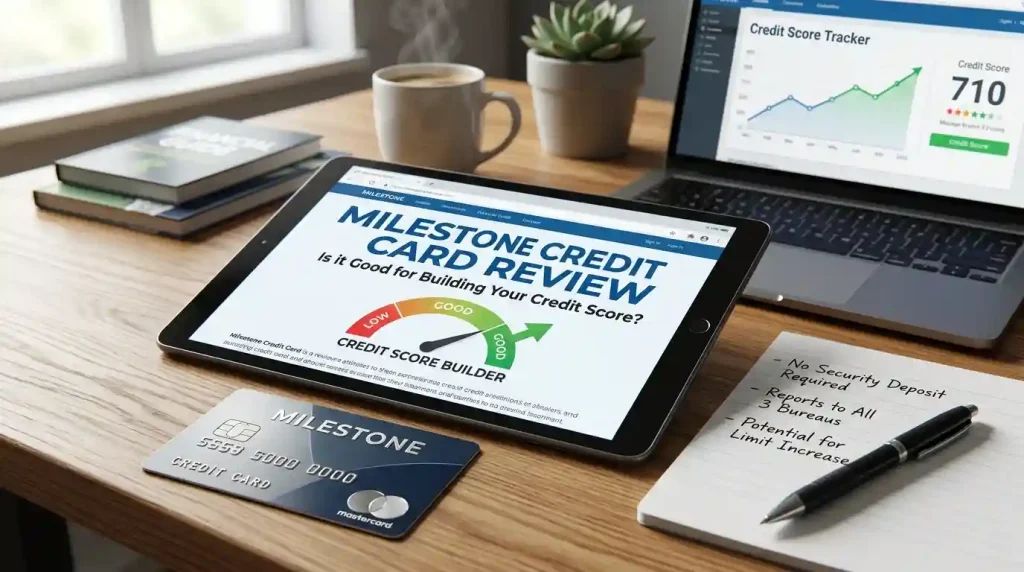
Regarding credit limit increases, information from various sources suggests a mixed picture. While some older information and user experiences indicate that the Milestone Credit Card traditionally does not offer a formal credit limit increase program, with the official website stating “there is not a credit limit increase program at this time”, more recent search results suggest some possibilities. Some cardholders have reported automatic credit limit increases after demonstrating responsible credit use for a certain period, typically within 6 to 12 months, and maintaining an account in good standing with on-time payments and low credit utilization. There are also indications that calling customer service to inquire about an increase is an option, where being prepared to provide income and employment information may be helpful. However, these are not guaranteed processes, and the card is generally designed with a fixed initial limit. This contrasts with many other credit-building cards, particularly secured ones, which often offer a path to higher limits or graduation to an unsecured product after responsible use.
| Feature | Milestone Credit Card | Typical Secured Credit Card (for comparison) |
|---|---|---|
| Security Deposit Required | No | Yes (Refundable) |
| Reports to Credit Bureaus | All three (Equifax, Experian, TransUnion) | All three (Typically) |
| Annual Fee (First Year) | $75 – $175 (Varies by offer) | Often $0 – $49 |
| Monthly Fee | Potentially $12.50/month ($150/year) after first year | Rarely |
| Purchase APR | High (e.g., 35.9% or 24.9%) | Variable (Often lower than Milestone) |
| Initial Credit Limit | Typically $700 (reduced by annual fee) | Matches deposit (e.g., $200-$2500) |
| Credit Limit Increase Program | Not formally offered, but some automatic increases reported | Often available with responsible use or additional deposit |
| Rewards Program | No | Some offer basic rewards (e.g., Discover it® Secured) |
| Prequalification Available | Yes (Soft pull) | Often available |
Alternatives to the Milestone Credit Card for Building Credit
While the Milestone Credit Card can be a viable option for some, its high fees and interest rates make it crucial to explore alternatives, especially for those who want to rebuild credit more affordably. Many secured credit cards, in particular, offer a more cost-effective path to credit improvement.
- Secured Credit Cards: These cards require an upfront cash deposit, which typically becomes your credit limit. They are often easier to obtain for individuals with bad or no credit, and the deposit is refundable when you close the account in good standing or upgrade to an unsecured card.
- Discover it® Secured Credit Card: Often cited as a top choice, it offers cash back rewards and has a path to graduate to an unsecured card with responsible use. It also does not charge an annual fee.
- Capital One Platinum Secured Credit Card: This card is praised for its simple, low-cost approach to building credit and the opportunity for a higher credit line after six months of on-time payments, with no annual fee.
- OpenSky® Secured Visa® Credit Card: Notable for not requiring a credit check for approval, it’s accessible even for those with bankruptcies and allows a deposit of $200 to $3,000.
- First Progress Platinum Prestige Mastercard® Secured Credit Card: This card is highlighted for its relatively low APR compared to other secured options, though it does have an annual fee.
- Credit Builder Loans: Offered by some credit unions and online lenders, these loans place the borrowed amount into a savings account while you make payments. Once the loan is paid off, you receive the funds, and your payment history is reported to credit bureaus.
- Authorized User Status: Becoming an authorized user on a trusted family member’s credit card can help build credit, provided the primary cardholder uses the card responsibly and makes on-time payments.
- Other Unsecured Cards for Bad Credit: While fewer, some other unsecured cards for bad credit exist, but like Milestone, they often come with high fees and APRs. Examples include the Indigo® Mastercard® and Destiny® Mastercard®. The Tilt Motion Visa Credit Card is also mentioned as an unsecured option with no deposit or annual fee for those building credit.
For a broader understanding of credit building strategies, individuals might find value in consulting resources like the Consumer Financial Protection Bureau (CFPB) which provides guidance on financial products and managing debt. This federal agency aims to protect consumers in the financial marketplace and offers unbiased information on credit cards and credit building. The Consumer Financial Protection Bureau’s guide on building credit is an excellent resource for exploring various pathways to improving your credit score.
Responsible Use for Optimal Credit Building
To maximize the credit-building potential of the Milestone Credit Card and mitigate its high costs, responsible usage is absolutely essential. For individuals aiming to improve their credit score, merely having the card is not enough; strategic management is key.
- Pay on Time, Every Time: This is the most crucial step. Payment history accounts for a significant portion of your credit score. Missing a payment can severely damage the very credit you are trying to build and incur late fees. Setting up automatic payments for at least the minimum amount can help prevent oversights.
- Pay Your Balance in Full: Given the exceptionally high APR (e.g., 35.9%), carrying a balance on the Milestone card can quickly lead to substantial interest charges. To avoid these costs, aim to pay your entire statement balance every month. If paying in full isn’t always possible, pay as much as you can above the minimum to reduce interest accrual.
- Keep Credit Utilization Low: Your credit utilization ratio (the amount of credit you’re using compared to your total available credit) is another critical factor in your credit score. With a typically low initial credit limit (e.g., $700, reduced by annual fees), it’s easy to have a high utilization ratio. Ideally, keep your spending below 30% of your credit limit—meaning if your limit is $700, try to keep your balance below $210. Even lower is better for optimal credit growth.
- Use the Card Regularly but Sparingly: Making small, manageable purchases (e.g., a recurring streaming service or a tank of gas) and paying them off immediately demonstrates active and responsible credit management. Infrequent use or inactivity might lead to your credit limit being lowered.
- Monitor Your Credit Report: Regularly check your credit reports from all three major bureaus (Equifax, Experian, and TransUnion) to ensure that payments are being reported accurately and to catch any errors or fraudulent activity. You can access free credit reports annually from each bureau.
- Transition When Ready: The Milestone Credit Card is best viewed as a stepping stone. Once you’ve established a solid payment history (typically 6-12 months or more) and seen an improvement in your credit score, begin exploring other credit card options with lower fees, better APRs, and potential rewards. Graduating to a more favorable card should be your ultimate goal.
Conclusion: Is the Milestone Card Right for You?
The Milestone Credit Card serves a specific purpose in the financial landscape: providing an opportunity for individuals with poor or limited credit to begin building a positive credit history without the need for a security deposit. Its key strengths lie in its accessibility and its consistent reporting to all three major credit bureaus, which are foundational for credit improvement. However, these benefits come at a significant cost. The card is characterized by high annual and potentially monthly fees, as well as an exceptionally high APR. The low initial credit limit, further reduced by fees, also makes careful management essential to maintain a healthy credit utilization ratio.
For those who have exhausted other options, such as secured credit cards or credit-builder loans, due to lack of funds for a deposit or other eligibility constraints, the Milestone Credit Card can be a last-resort tool to get started on their credit journey. It functions best when used strictly as a credit-building instrument: making small, regular purchases and paying the balance in full and on time every single month to avoid interest charges and maximize positive reporting. If used responsibly, it can indeed help establish a payment record. However, its high costs mean it is generally not a long-term solution and should be seen as a temporary stepping stone. Once a positive credit history is established, cardholders are strongly advised to seek out more affordable and beneficial credit products to continue their financial growth.