7 Best No-Foreign-Transaction-Fee Credit Cards for Travelers in 2026
Table of Contents
Credit cards with no foreign transaction fees are invaluable tools for anyone planning to travel internationally. These specific types of credit cards allow globetrotters to make purchases abroad without incurring additional charges, which can significantly reduce the overall cost of a trip. Understanding how these fees work, why some cards waive them, and which cards offer the best value is crucial for optimizing your travel budget and ensuring a seamless financial experience away from home. Every dollar saved on unnecessary fees is a dollar that can be spent on experiences, dining, or souvenirs, making the right credit card choice a pivotal part of any international travel preparation. For both seasoned globetrotters and first-time adventurers, these cards represent a smart financial strategy, providing peace of mind and tangible savings that can enhance the entire journey.
Cards :What Exactly Are Foreign Transaction Fees?
Foreign transaction fees are essentially surcharges levied by credit card issuers for processing transactions made in a foreign currency or through a foreign bank. Typically, these fees range from 1% to 3% of the transaction amount. While seemingly small, these percentages can add up quickly over the course of a trip, especially for extended stays or significant purchases. For instance, a 3% fee on a $1,000 hotel bill means an extra $30, and if you make multiple such transactions, the costs can escalate dramatically. These fees are often hidden in the fine print of cardholder agreements and can come as an unpleasant surprise to unsuspecting travelers. The primary reason for these fees is to cover the costs associated with currency conversion, international processing, and the inherent risks of dealing with foreign markets. Banks often incur operational costs when converting currencies and transmitting funds across international borders, and foreign transaction fees are designed to offset these expenses. This means that every time you use a credit card with these fees in a foreign country, a portion of your purchase goes directly to your bank rather than towards your travel experiences.
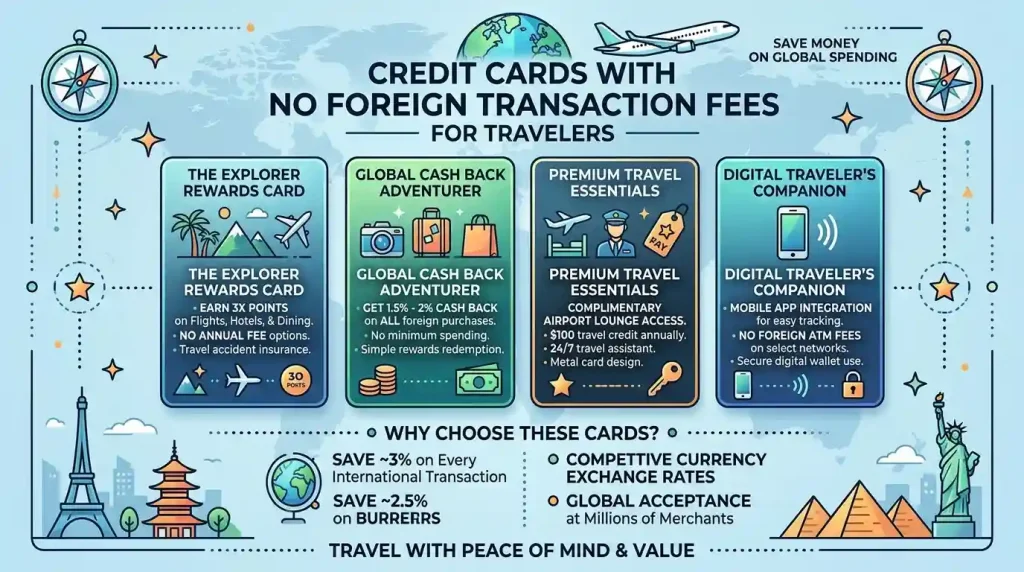
It’s important to distinguish between foreign transaction fees and currency conversion rates. While related, they are not the same. Foreign transaction fees are a direct charge from your card issuer for the act of an international transaction. Currency conversion, on the other hand, refers to the exchange rate applied when converting a foreign currency purchase back into your home currency. While your bank generally uses the prevailing interbank rate, there can sometimes be a slight markup, even on cards with no foreign transaction fees. However, the explicit foreign transaction fee is a separate and avoidable charge. Always check your card’s terms and conditions before traveling to understand the full scope of potential charges. Some debit cards and prepaid travel cards may also carry these fees, so it’s not exclusive to credit cards. The ubiquity of these fees makes finding a card that explicitly waives them a top priority for savvy travelers. Many consumers are unaware of these charges until they see them itemized on their statement, highlighting the importance of proactive research before embarking on an international trip. These fees can apply not only to purchases made while physically abroad but also to online purchases from foreign merchants while you are still in your home country, adding another layer of complexity to international spending.