6 Powerful Facts About Credit Card Issuers – How Banks Manage Your Cards

Table of Contents
Credit card issuers are the cornerstone of the modern financial ecosystem, serving as the institutions that provide consumers and businesses with the ability to access revolving credit through credit cards. These financial institutions, primarily banks and credit unions, undertake a multifaceted role far beyond merely printing plastic. They are responsible for evaluating creditworthiness, setting credit limits, managing customer accounts, and ensuring compliance with a complex web of security and regulatory standards. The intricate operations of credit card issuers facilitate seamless and secure transactions for cardholders, while simultaneously managing the inherent financial risks involved in extending credit. Understanding how these banks manage cards is crucial for anyone engaging with credit, from individual consumers to large corporations.
The Core Role of Issuing Banks
At its heart, a credit card issuer is the financial institution from which a cardholder borrows money when making a purchase. This means that when a transaction occurs, the issuing bank pays the merchant, and the cardholder then owes that amount to the issuing bank. The responsibilities of issuing banks are extensive and touch upon nearly every aspect of the credit card experience. They include, but are not limited to:
- Credit Evaluation and Underwriting: Issuers assess an applicant’s creditworthiness, income, and debt-to-income ratio to determine eligibility and set appropriate credit limits. This often involves leveraging AI-driven underwriting models for faster processing and reduced bias, analyzing multiple data points to predict repayment likelihood.
- Card Issuance and Management: Beyond the initial approval, banks are responsible for producing physical and virtual cards, embedding security features like EMV chips, and managing ongoing account activities such as processing transactions, handling billing and payments, and providing customer service.
- Transaction Authorization: Every time a card is used, the issuer is tasked with authorizing the transaction in real-time, verifying the cardholder’s identity, checking for sufficient funds or credit, and flagging potential fraud. This quick decision-making process is critical for both security and efficiency.
- Risk Management: Credit card issuing involves complex risk management strategies to prevent fraud, reduce default rates, and ensure financial stability. Banks continuously monitor account data, payment histories, and spending patterns to assess and mitigate credit risk.
- Customer Support: Issuers handle a wide range of customer inquiries, from balance checks and bill payments to reporting lost or stolen cards and resolving disputes. They are the primary point of contact for cardholders regarding their accounts.
- Regulatory Compliance: Issuing banks must adhere to a stringent set of federal and state regulations, such as the Truth in Lending Act (TILA) and the Credit Card Accountability Responsibility and Disclosure (CARD) Act, ensuring clear disclosures and consumer protections.
These functions highlight that issuing banks are not merely facilitators but active participants who bear significant financial risk and play a central role in the operational integrity of the payment system.
The Credit Card Lifecycle: From Application to Repayment
The journey of a credit card, from a potential customer’s interest to the eventual closure of an account, is a multi-stage process known as the credit card lifecycle. This lifecycle encompasses customer acquisition, onboarding, issuance, activation, transaction processing, billing, repayment, fraud controls, and ultimately, account closure. Each stage requires meticulous management by the issuing bank.
Application and Underwriting
The lifecycle begins when an individual or business applies for a credit card. This can happen online, through a mobile app, or in person. The issuing bank’s first critical step is to evaluate the applicant’s creditworthiness. This involves a comprehensive review of various factors, including the applicant’s credit score, income, employment history, and existing debt obligations. Banks often utilize sophisticated underwriting models, increasingly powered by artificial intelligence, to process applications efficiently and make informed decisions about approval and credit limits. These models analyze vast amounts of data to predict the likelihood of timely repayments. The Credit CARD Act of 2009, for instance, mandates that issuers consider a consumer’s ability to make required payments before opening an account or increasing a credit limit.

Issuance and Activation
Once an application is approved, the physical or virtual credit card is produced. Physical cards are printed with security features like EMV chips and magnetic stripes, while virtual cards are issued digitally for immediate use in mobile wallets and online transactions. The issuer is responsible for generating critical credentials such as the card number and CVV and ensuring compliance with security standards like PCI DSS. Upon receipt, the cardholder must activate the card, often through a mobile app, online platform, or phone call, to securely link it to their account and enable its use. Issuers are prohibited from issuing a credit card without the customer’s explicit consent, with regulatory bodies ensuring clear authorization is obtained.
Transaction Processing: Authorization, Clearing, and Settlement
This is the technical core of the credit card lifecycle, a rapid, multi-step process that occurs every time a card is used.
- Authorization: When a cardholder makes a purchase, the merchant’s payment system sends an authorization request to their acquiring bank. This request is then routed through the relevant card network (e.g., Visa, Mastercard) to the issuing bank. The issuing bank quickly reviews the cardholder’s account, checking for sufficient credit limit, cardholder identity, and potential fraud indicators. If all criteria are met, the transaction is authorized, and the amount is placed on hold against the cardholder’s credit limit. This real-time decision is then communicated back through the network to the merchant.
- Batching: After a merchant completes multiple authorized transactions throughout a business day, these transactions are gathered into a “batch” and submitted electronically to the acquiring bank.
- Clearing: The acquiring bank forwards this batch of transactions through the card network to the issuing bank. During this stage, the issuing bank receives the transaction data and deducts the authorized amount from the cardholder’s credit account. This is also when interchange fees—a percentage of the transaction amount paid by the acquiring bank to the issuing bank—are typically calculated and charged.
- Settlement: This is the final stage where the actual movement of funds occurs. The card network facilitates the transfer of funds from the issuing bank to the acquiring bank, and then the acquiring bank deposits the net amount (after deducting its fees) into the merchant’s bank account. This process ensures the merchant gets paid.
The entire authorization, clearing, and settlement process, while complex, usually takes only a few seconds for the initial authorization, with the full settlement typically completing within a day or two.
Billing, Payments, and Collections
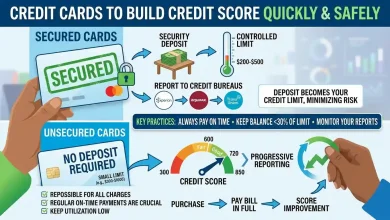
Issuing banks are responsible for generating and sending periodic statements to cardholders, detailing transactions, balances, minimum payments due, and payment due dates. Under the CARD Act, these statements must be sent at least 21 days before the payment is due, and the due date must be consistent each month. Issuers also manage the collection of payments. They process cardholder payments and apply them to the outstanding balance. In cases of late or missed payments, issuers engage in collection activities, adhering to strict regulatory guidelines. They must also report cardholders’ payment history to credit bureaus, which significantly impacts an individual’s credit score.
Revenue Streams for Credit Card Issuers
Credit card issuance is a highly profitable business for banks, generating revenue through several key channels. Understanding these revenue streams reveals the financial incentives behind banks’ extensive card management operations.
- Interchange Fees: This is arguably the most consistent revenue stream for issuers. Every time a cardholder makes a purchase, the merchant’s bank (acquirer) pays a fee to the card issuer. This fee, often a percentage of the transaction amount, serves as an incentive for banks to issue cards and bears the credit and fraud risk associated with the transaction. Interchange rates vary depending on factors such as the card type (credit cards typically have higher rates than debit cards), transaction type (online vs. in-person), and merchant category.
- Interest Income: For many credit card companies, interest income from cardholders who carry a balance from one billing cycle to the next is the largest revenue driver, often accounting for a significant portion of total profitability. Issuers charge an Annual Percentage Rate (APR) on outstanding balances, making this a highly profitable stream, especially when interest rates are elevated.
- Cardholder Fees: Issuers generate substantial revenue directly from cardholders through various fees. These include:
- **Annual Fees:** Charged for the privilege of holding certain cards, especially those with premium rewards or benefits.
- **Late Payment Fees:** Imposed when a cardholder misses a payment by the due date. The CARD Act restricts certain practices related to late fees.
- **Cash Advance Fees:** Charged for cash withdrawals using the credit card.
- **Balance Transfer Fees:** Levied for transferring balances from one credit card to another.
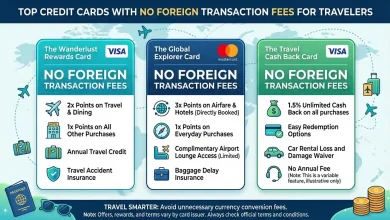
- **Foreign Transaction Fees:** A percentage charged on purchases made in a foreign currency.
- **Over-the-Limit Fees:** Though restricted by regulation, these can apply if a cardholder opts-in to exceed their credit limit.
- Network Incentives: Issuers may also receive incentives or rebates from card networks (like Visa or Mastercard) based on transaction volume and other agreements.
Risk Management and Fraud Prevention
Given the inherent risks in extending credit, robust risk management and fraud prevention are paramount for credit card issuers. Banks employ sophisticated strategies to protect themselves and their cardholders from financial losses.
| Risk Management Area | Issuer Strategies and Tools |
|---|---|
| Credit Risk Assessment | Utilizing credit scoring models, AI-driven underwriting, and continuous monitoring of credit agency updates, financial changes, and payment trends to predict default likelihood. Banks build “risk appetite frameworks” to track and manage risks against predefined limits. |
| Fraud Detection & Prevention | Implementing real-time AI-driven fraud detection systems that analyze spending patterns and flag suspicious transactions. This includes secure protocols like EMV chips and tokenization, and compliance with PCI DSS. |
| Portfolio Management | Continuously tracking open credit card lines, balances, payment histories, and delinquencies. This data informs adjustments to credit limits (both increases and decreases) and strategic portfolio management to reduce risk exposure and prevent “run-up” in defaulting accounts. |
| Chargeback Management | Issuers handle disputes from cardholders, investigating claims and mediating resolutions. Effective chargeback management policies help mitigate losses for both the issuer and the merchant. |
| Data Security | Adhering to strict data security standards, such as PCI DSS, to protect sensitive cardholder information from breaches. This involves encryption, secure networks, and stringent access controls. |
Banks consistently monitor potential risks against predefined limits and take mitigating actions when necessary, focusing on a steady approach to risk assessment rather than frequent changes to thresholds. The goal is to balance extending credit responsibly with safeguarding financial stability.
Regulatory Compliance and Consumer Protection
The credit card industry is heavily regulated to protect consumers and ensure fair practices. Issuing banks must navigate a complex landscape of federal and state laws and industry standards. Key regulations include:
- Truth in Lending Act (TILA): This federal law mandates clear and accurate disclosure of credit terms, including annual percentage rates (APRs), fees, and payment amounts. It ensures consumers receive transparent information about the costs associated with their credit products.
- Credit Card Accountability Responsibility and Disclosure (CARD) Act of 2009: Enacted to curb unfair and deceptive practices, the CARD Act introduced significant protections. It requires issuers to provide 45 days’ advance notice for most interest rate increases, caps certain fees, limits interest rate changes, and requires clear disclosures about the consequences of making only minimum payments. It also prohibits issuing cards to individuals under 21 without a co-signer or proof of independent income, and prevents retroactive rate increases on existing balances.
- Payment Card Industry Data Security Standard (PCI DSS): While not a government regulation, PCI DSS is a set of security standards established by the major card networks. Issuers must comply with PCI DSS to ensure secure handling and storage of cardholder data, reducing the risk of data breaches.
- Fair Credit Reporting Act (FCRA): This act governs how consumer credit information is collected, accessed, and used. Issuers must report accurate payment history to credit bureaus and respond to disputes from consumers.

Compliance with these regulations is not only a legal obligation but also crucial for maintaining consumer trust and the integrity of the financial system. Issuers must continuously adapt their processes and product designs to meet evolving regulatory requirements and proactive consumer protection. For more in-depth information on federal consumer financial protection laws, including those applicable to credit cards, you can refer to resources provided by the Consumer Financial Protection Bureau (CFPB).
Conclusion
The credit card issuer plays a pivotal and complex role in the global financial landscape. From the initial assessment of creditworthiness and the careful management of billions of transactions to the intricate dance of risk mitigation and the steadfast adherence to regulatory frameworks, banks meticulously manage credit cards at every stage of their lifecycle. They are not simply providers of plastic but sophisticated financial entities that balance consumer convenience, economic growth, and stringent risk control. As the industry continues to evolve with technological advancements like AI-driven underwriting and virtual cards, the core responsibilities of issuers remain centered on fostering trust, ensuring security, and responsibly extending credit to power both individual spending and the broader economy. Their ongoing efforts ensure that the credit card remains a powerful and secure financial tool for millions worldwide.