6 Best Student Credit Cards for Beginners & College Students

Table of Contents
Student credit cards are specifically designed financial tools that can serve as a vital stepping stone for beginners and college students entering the world of credit. These cards offer an accessible entry point for young adults to establish a credit history, learn financial responsibility, and even gain access to rewards tailored to their lifestyle. Navigating the complexities of personal finance can be daunting, but with the right knowledge and responsible usage, a student credit card can pave the way for a strong financial future, enabling smoother transitions for milestones such as renting an apartment, buying a car, or even securing a future loan. This comprehensive guide will delve into what student credit cards entail, their benefits, how to choose and apply for one, and most importantly, how to use them wisely to build a robust financial foundation.
Understanding Student Credit Cards: A Gateway to Financial Independence
A student credit card functions much like a standard credit card, providing a revolving line of credit up to a set limit that can be borrowed from and repaid continuously. However, these cards are specifically tailored for college students and young adults who typically have limited or no credit history. Because of this, student credit cards often feature more lenient eligibility requirements compared to traditional credit cards, making them easier for first-time borrowers to obtain. This accessibility comes with some common characteristics, such as lower initial credit limits and, in some cases, higher interest rates, which are put in place to protect both the card issuer and the inexperienced borrower from accumulating excessive debt. The primary objective of these cards is to empower students to build a positive credit history by reporting their account activity to the three major credit bureaus—Experian, Equifax, and TransUnion—when payments are made on time.
The Benefits of Starting Early: Why a Student Credit Card Matters
Embracing a student credit card early in one’s academic career can yield significant long-term financial advantages:
- Building a Credit History: This is arguably the most crucial benefit. By consistently using a student credit card responsibly and making timely payments, students can establish a positive credit history from the ground up. A strong credit history is vital for future financial endeavors, including securing loans for a car or home, renting an apartment, and even for certain job applications.
- Learning Financial Responsibility: Managing a credit card introduces essential financial literacy skills such as budgeting, tracking expenses, and understanding the implications of borrowing. With typically lower credit limits, student cards offer a “sheltered” environment to learn these habits without the higher risks associated with standard credit cards.
- Emergency Fund Backup: A credit card can provide a financial safety net for unexpected emergencies, such as car repairs or urgent travel, offering access to funds when needed most. It’s crucial, however, to have a plan to pay off these emergency expenses quickly to avoid accruing interest.
- Potential Rewards: Many student credit cards come with rewards programs, offering cash back, points, or discounts on student-centric purchases like textbooks, streaming services, dining, or groceries. These rewards can help students save money on everyday expenses while building credit.
- Consumer Protection: Credit cards often come with fraud protection, which can safeguard students from unauthorized purchases, a benefit typically not offered by debit cards.
Key Features to Look For in a Student Credit Card
When selecting a student credit card, it’s essential to compare various offerings to find one that aligns with your financial goals and spending habits. Here are some key features to prioritize:
- No Annual Fee: Most student credit cards should not charge an annual fee, as there’s no reason for students to pay just to carry a card.
- Low Annual Percentage Rate (APR): The APR is the interest rate you’ll be charged on any balance you carry over from month to month. While student cards may have higher APRs than traditional cards, look for the lowest possible rate. Some cards may offer a 0% introductory APR for a limited period on purchases, allowing interest-free spending for several months.
- Credit Limit: Student cards typically start with lower credit limits, which helps prevent overspending. Look for cards that offer the potential for a credit limit increase with responsible use over time.
- Rewards Programs: Consider cards that offer rewards that align with your spending. Common rewards include cash back on categories like gas, groceries, dining, or streaming services.
- Reporting to All Major Credit Bureaus: Ensure the card issuer reports your payment activity to Experian, Equifax, and TransUnion. This is crucial for building a comprehensive credit history.
- Student-Specific Perks: Some cards offer incentives like rewards for good grades or access to credit score tracking tools, which can be beneficial for students.
- No Foreign Transaction Fees: If you plan to study abroad or travel, a card without foreign transaction fees can save you money.
Eligibility and Application Process: Your First Steps
Qualifying for a student credit card is generally easier than for a standard credit card, but there are still specific requirements you’ll need to meet:
- Age Requirements: Federal law mandates that you must be at least 18 years old to apply for your own credit card.
- Proof of Income: If you are under 21, you are typically required to show proof of independent income to demonstrate your ability to repay debt. This income can come from a part-time or full-time job, freelance work, scholarships (after tuition), or even regular allowance from a family member, provided it’s consistently deposited into your bank account.
- Proof of Enrollment: Most student credit cards require applicants to be actively enrolled, either full-time or part-time, in a two-year or four-year college, university, or trade school. You may need to provide documentation to prove your student status and anticipated graduation date.
- Social Security Number (SSN) or Individual Taxpayer Identification Number (ITIN): You will need to provide an SSN or ITIN for identification purposes.
- U.S. Mailing Address: A physical U.S. mailing address is typically required.
- Co-signer Option: If you are under 21 and cannot meet the income requirements, you may need an adult, usually a parent or guardian, to co-sign your application. The co-signer’s credit history is used for approval, and they become equally responsible for the debt if you fail to make payments.
The application process itself is usually straightforward and can often be completed online through the bank or credit card company’s website. Before applying, it’s wise to research and compare different cards to find one that best fits your financial situation and goals. Many card issuers offer pre-approval checks that allow you to see if you qualify without impacting your credit score.
| Feature | Description for Student Credit Cards | Why it Matters for Students |
|---|---|---|
| No Annual Fee | Avoids a yearly charge for card ownership. | Saves money for students on a limited budget. |
| Low APR (Interest Rate) | The interest charged on balances carried over each month. | Minimizes the cost of borrowing if the full balance isn’t paid. |
| Credit Limit | The maximum amount of credit you can use. | Typically lower to prevent overspending and manage risk. |
| Rewards Program | Cash back, points, or discounts on purchases. | Offers tangible benefits and savings on student-related expenses. |
| Credit Bureau Reporting | The issuer reports your payment activity to major credit bureaus. | Essential for building a credit history, impacting future financial opportunities. |
| Fraud Protection | Safeguards against unauthorized use of your card. | Provides security and peace of mind against financial crime. |
| Mobile App/Online Tools | Digital access for managing accounts, payments, and alerts. | Helps with budgeting, tracking spending, and setting payment reminders. |

Mastering Responsible Credit Card Use: Building a Strong Financial Foundation
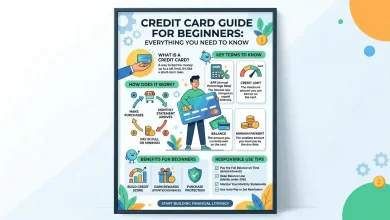
Obtaining a student credit card is merely the first step; using it responsibly is paramount to building a positive credit history and avoiding debt. Here are fundamental practices for responsible credit card management:
- Pay Your Bill On Time, Every Time: This is the most critical factor in building a good credit score, as payment history accounts for a significant portion of your FICO score. Even a single late payment can negatively impact your credit. Setting up automatic payments can help ensure you never miss a due date.
- Pay Your Balance in Full: Whenever possible, pay your entire statement balance each month to avoid interest charges. If you carry a balance, interest can quickly accrue, making your purchases more expensive.
- Keep Your Credit Utilization Low: Your credit utilization ratio is the amount of credit you’re using compared to your total available credit. It is generally recommended to keep this ratio below 30% across all your revolving credit accounts. For example, if your credit limit is $1,000, try to keep your balance below $300. A lower utilization rate signals responsible credit management to lenders and positively impacts your credit score. For more detailed information, you can refer to the Wikipedia article on Credit limit, which explains how credit limits influence credit scores through utilization.
- Monitor Your Spending: Keep track of your purchases and regularly review your credit card statements for accuracy and to prevent overspending. Many card issuers offer mobile apps and online tools that make tracking easy.
- Avoid Opening Too Many Accounts: While enticing, resist the urge to open multiple credit cards, especially when you’re just starting out. It’s better to manage one or two cards responsibly than to spread yourself too thin.
- Understand Your Credit Limit: Be aware of your credit limit and avoid “maxing out” your card, as this can negatively impact your credit score due to high utilization.
Common Pitfalls and How to Avoid Them
While student credit cards offer significant benefits, there are common mistakes that beginners and college students often make, leading to financial difficulties:
- Overspending: The ease of using a credit card can lead to spending more than you can afford to repay. Treat your credit card like a debit card and only charge what you know you can pay off.
- Missing Payments or Paying Late: Forgetting or delaying payments incurs late fees, can increase your interest rate, and severely damages your credit score. Utilize automatic payments and payment reminders to stay on schedule.
- Only Paying the Minimum Due: While paying the minimum keeps your account in good standing, it can lead to significant interest charges over time, trapping you in a cycle of debt. Always aim to pay more than the minimum, or ideally, the full balance.
- Ignoring Your Debt: Neglecting credit card statements or choosing to prioritize other bills with lower interest rates can exacerbate credit card debt. High-interest credit card debt should generally be prioritized in your repayment strategy.
- Co-signing for Friends or Significant Others: While well-intentioned, co-signing for another person’s credit card or loan links your credit to theirs, making you equally responsible for their debt. If they default, your credit score will suffer.
- Paying Tuition with a Credit Card: While some institutions allow it, charging tuition to a credit card is generally ill-advised due to significantly higher interest rates and potential processing fees compared to student loans.
- Credit Card Inactivity: Paradoxically, not using your credit card at all can also be detrimental. Inactivity can lead to the card issuer closing your account, which may shorten your credit history and reduce your overall available credit, potentially hurting your credit score. Make small, regular purchases that you can immediately pay off to keep the account active.
Exploring Alternatives and Complementary Financial Tools
For students who may not qualify for a student credit card immediately or prefer other options, several alternatives can still help build credit:
- Secured Credit Cards: These cards require an upfront cash deposit, which typically serves as your credit limit. Because the deposit acts as collateral, they are often easier to obtain for those with no credit history. Responsible use can lead to graduating to an unsecured card and getting your deposit back.
- Authorized User Status: Becoming an authorized user on a parent’s or guardian’s credit card can help build credit, provided the primary account holder uses the card responsibly and makes on-time payments. The account activity is reported on your credit report, helping to establish your history.
- Credit-Builder Loans: These loans are designed specifically to help individuals establish or rebuild credit. You make regular payments into a locked savings account, and once the loan is paid off, you receive the money (minus fees). The payments are reported to credit bureaus, building your credit history.
- Rent and Utility Reporting: Traditionally, rent and utility payments haven’t impacted credit scores, but some services now allow these payments to be reported to credit bureaus, providing another avenue to build credit without incurring debt.
- Debit Cards: While not building credit, debit cards allow you to spend only the money you have, making them a safe option for managing daily expenses and avoiding debt. Many students find it beneficial to have both a debit card for everyday spending and a credit card for building credit and emergencies.
Conclusion
Student credit cards, when approached with a clear understanding and a commitment to responsible financial habits, can be an invaluable asset for beginners and college students. They offer a unique opportunity to build a solid credit history early, which is essential for future financial independence and opportunities. By diligently researching card features, understanding eligibility requirements, and practicing smart spending habits—such as paying on time, keeping balances low, and avoiding common pitfalls—students can leverage these cards to their advantage. Embracing financial literacy now will not only help navigate college life but will also lay the groundwork for a secure and prosperous financial future beyond graduation.